

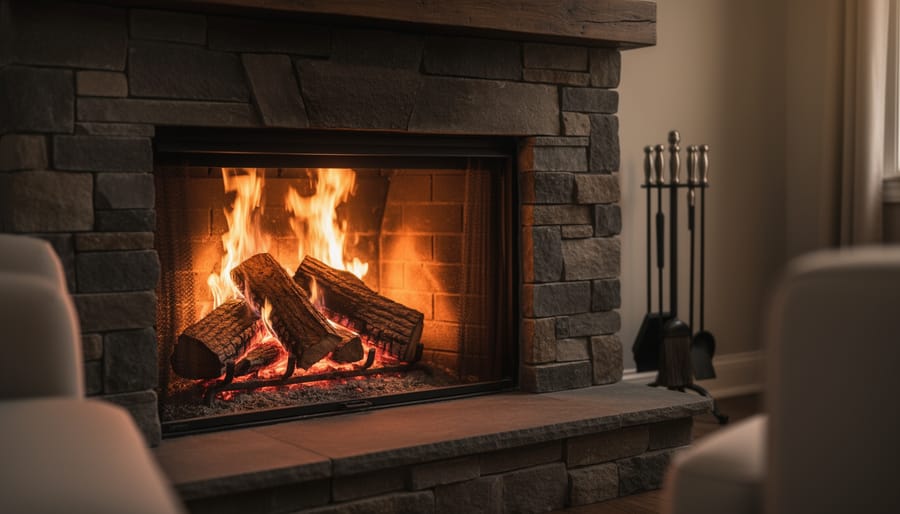
You cannot safely burn charcoal in an indoor fireplace. While wood-burning fireplaces are designed to handle wood smoke and ash, charcoal produces dangerous levels of carbon monoxide that standard chimney systems aren’t built to ventilate properly. This question often comes up for people new to fireplace ownership, and the answer is simple: stick with seasoned firewood indoors and save charcoal for outdoor grills only.
Using a fireplace correctly takes about 15 minutes to set up and light, and once you understand the basics, you’ll enjoy reliable warmth and ambiance throughout the colder months. The process involves preparing your firebox, arranging fuel properly, managing airflow, and maintaining the fire safely from start to finish. Whether you have a traditional wood-burning fireplace, a gas insert, or an electric unit, each type follows specific procedures that keep your home safe while maximizing heat output.
Most fireplace problems stem from skipped preparation steps or poor fuel choices. You need dry, seasoned wood that’s been cured for at least six months, the right tools within arm’s reach, and a clear understanding of your damper system before striking a match. Gas and electric fireplaces simplify the process but still require attention to venting, pilot lights, and control settings.
This guide walks you through everything from gathering materials and performing safety checks to building your first fire and knowing when it’s safe to leave the room. By the end, you’ll have the confidence to use your fireplace properly, avoid common beginner mistakes, and create a cozy atmosphere without worry.
Understanding Your Fireplace Type Before You Start
Before you strike a match or flip a switch, you need to know exactly what type of fireplace you’re working with. Each fireplace type operates differently, uses different fuel sources, and comes with its own set of safety considerations. Using the wrong fuel or following instructions meant for a different type can create serious hazards.
Here are the main fireplace types you’ll encounter:
- Wood-burning fireplaces: Traditional masonry or metal units that burn logs or manufactured wood products, requiring a chimney for venting smoke
- Gas fireplaces: Fueled by natural gas or propane, featuring either vented models with chimneys or vent-free models with special safety systems
- Electric fireplaces: Plug-in units that simulate flames using lights and produce heat through electric heating elements, requiring no venting
The differences aren’t just about convenience. A wood-burning fireplace needs regular ash removal, chimney cleaning, and careful fuel selection. You can’t toss just anything in there and expect it to burn safely. Gas fireplaces, on the other hand, require no wood at all but need annual inspections of gas lines, pilot lights, and safety sensors. Electric models are the simplest to operate but have their own electrical safety requirements and won’t work during power outages.
If you’re unsure which type you have, look for obvious clues. See a gas valve or control panel? It’s gas. Just a plug and no chimney opening? Electric. A firebox designed to hold logs with a chimney flue above? Wood-burning. Knowing this now prevents dangerous mistakes later, like trying to burn wood in a gas unit or expecting an electric fireplace to vent smoke.
What You’ll Need: Tools and Materials for Safe Fireplace Use
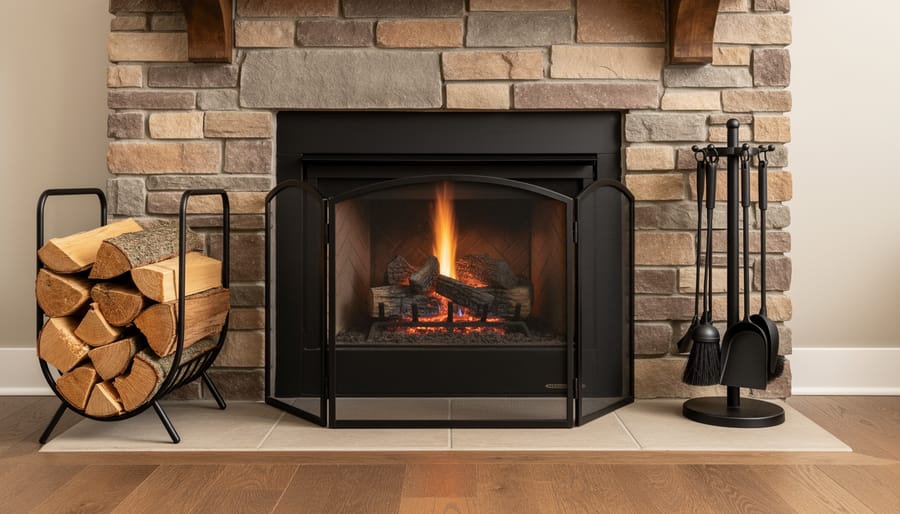
Before you light your first fire, gather the right tools and materials. Having everything on hand makes the process safer and more enjoyable, especially if you’re new to fireplace operation.
For Wood-Burning Fireplaces:
Start with a sturdy fireplace tool set that includes a poker, shovel, brush, and tongs. You’ll use these constantly to adjust logs, clear ash, and maintain your fire safely. A metal ash bucket with a lid lets you remove cooled ash without making a mess.
Seasoned hardwood is essential, oak, maple, or hickory that’s been dried for at least six months. Wet or green wood produces excessive smoke and creosote buildup. You’ll also need kindling (small sticks and twigs) and newspaper or natural fire starters. If you’re cutting your own firewood, quality firewood prep tools make the work easier. Check out practical fuel storage ideas to keep your wood dry and accessible near the fireplace.
A fireplace screen or glass doors prevent sparks from escaping into your room. Don’t skip this, it’s a critical safety barrier.
For Gas Fireplaces:
You’ll need much less. Keep your owner’s manual handy for specific operating instructions and a long lighter or matches if your unit doesn’t have electronic ignition. Many gas fireplaces come with a remote control or wall switch for convenient operation.
Universal Safety Equipment:
Every fireplace type requires working smoke detectors on each floor and a carbon monoxide detector within 15 feet of the fireplace. Keep a fire extinguisher rated for Class A fires nearby, mount it in an easily accessible spot that everyone in your household knows about.
A flashlight helps you inspect the chimney and damper before lighting. Heavy-duty fireplace gloves protect your hands when handling hot tools or adjusting logs.
Critical Safety Warnings Before Lighting Your Fireplace
Before you strike that first match, take a moment to understand the risks. Fireplaces create controlled combustion in your home, and skipping safety steps can lead to house fires, carbon monoxide poisoning, or structural damage. These warnings aren’t meant to scare you off from using your fireplace, but they’ll help you enjoy it confidently for years to come.
Start with your chimney inspection. If you haven’t used your fireplace in over a year, or if you’ve just moved into a home with one, hire a certified chimney sweep to inspect and clean it before your first burn. Creosote buildup, animal nests, and structural cracks all create serious fire hazards that you can’t spot from ground level. The Chimney Safety Institute of America recommends annual inspections even if you use your fireplace only occasionally.
Install working smoke detectors on every level of your home and a carbon monoxide detector within 15 feet of your fireplace. Test both monthly and replace batteries twice a year. Carbon monoxide is odorless and invisible, so your detector is your only reliable warning system.
Clear a three-foot zone around your fireplace opening. Move furniture, curtains, rugs, and any flammable decorations well back from the hearth. Never hang stockings from the mantel while a fire burns, and keep kindling, newspaper, and firewood stored at least three feet away from the opening.
Know what never to burn. Besides charcoal, avoid treated lumber, plywood, particleboard, glossy magazines, gift wrap, plastic, trash, or any wood that’s been painted or stained. These materials release toxic fumes and can damage your chimney liner. Stick to seasoned hardwood with a moisture content below 20 percent.
Keep a fire extinguisher rated for Class A fires within easy reach, and organize safety gear like fireplace tools and protective gloves in a designated spot near the hearth. Finally, trust your instincts. If something feels off, heavy smoke backs into the room, or you smell gas around a gas fireplace, extinguish the fire immediately and call a professional before using it again.
How to Use a Wood-Burning Fireplace: Step-by-Step
Preparing Your Firebox and Damper
Start by removing old ash from your firebox using a small fireplace shovel and metal bucket. Leave about an inch of ash on the floor, it actually insulates the base and protects your firebox. Scoop out everything above that layer. If ash is still warm from a previous fire, wait at least 12 hours before cleaning.
Next, locate your damper handle. It’s usually a lever or pull chain just inside the fireplace opening or mounted on the front. Open it fully by pushing the lever all the way forward or pulling the chain down. You should feel it lock into the open position and hear the metal plate move.
Check that the damper actually opened by looking up into the flue with a flashlight. You should see daylight or sky through the chimney. If you see only the closed damper plate, try the handle again.
Before building your fire, do a quick draft test. Light a rolled newspaper and hold it near the damper opening. The smoke should get pulled straight up the chimney. If it drifts into the room, your chimney may need warming first.
Building and Lighting Your Fire
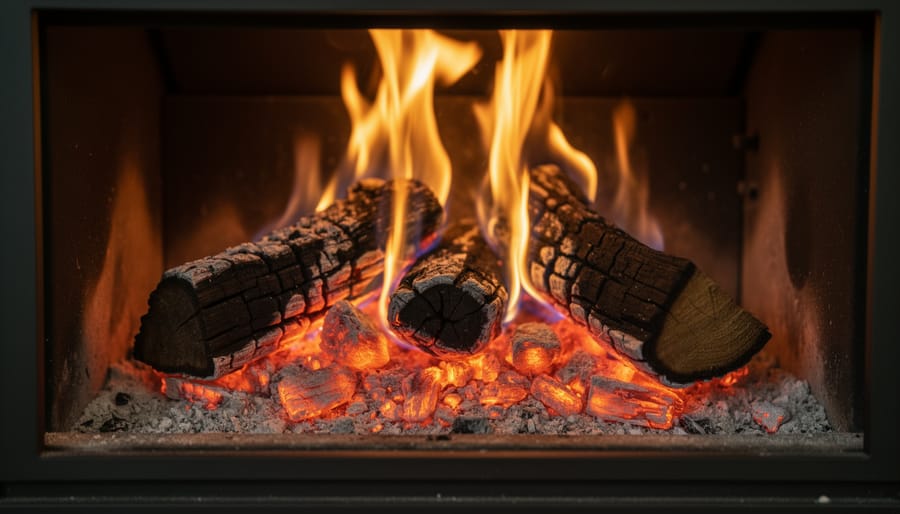
Start with the top-down method, it’s easier for beginners and produces less smoke. Place your largest split logs on the grate, parallel to each other and about three inches apart. Add a second layer perpendicular to the first, using slightly smaller pieces. Continue alternating direction with progressively smaller wood until you have four or five layers.
On the very top, create a kindling teepee or lattice using thin sticks about pencil-thick. Tuck two or three pieces of crumpled newspaper or natural fire starter between the kindling pieces. The fire burns downward through the layers, creating consistent heat that helps establish a strong draft from the start.
Light the newspaper on top using a long fireplace match or lighter. The flames will catch the kindling first, then work down through the fuel layers. You’ll see smoke rise straight up the chimney rather than billowing into your room.
The traditional bottom-up method works too: crumpled newspaper on the grate, kindling teepee over it, then two or three small logs leaning against the kindling. Light the paper and let the fire build upward. This method needs more attention early on because the kindling burns fast and you’ll need to add logs sooner.
Whichever method you choose, never add accelerants like lighter fluid or gasoline. They create dangerous flare-ups and toxic fumes.
Maintaining and Extinguishing the Fire
Once your fire is burning well, resist the urge to poke at it constantly. Add logs as needed to maintain the flame, wait until the previous log has burned down about halfway before placing a new one toward the back of the firebox. This keeps heat concentrated and prevents smothering the fire with too much wood at once.
When you’re ready to call it a night, let the fire burn down naturally rather than dousing it with water, which creates excess steam and ash mess. Spread out the embers with your poker to help them cool faster. Close the fireplace screen but keep the damper open, closing it too soon traps dangerous carbon monoxide inside your home. The embers may look dead but can stay hot for hours, so never leave a fire truly unattended until you’ve verified it’s completely extinguished, which we’ll cover in the next section.
How to Operate a Gas Fireplace Safely
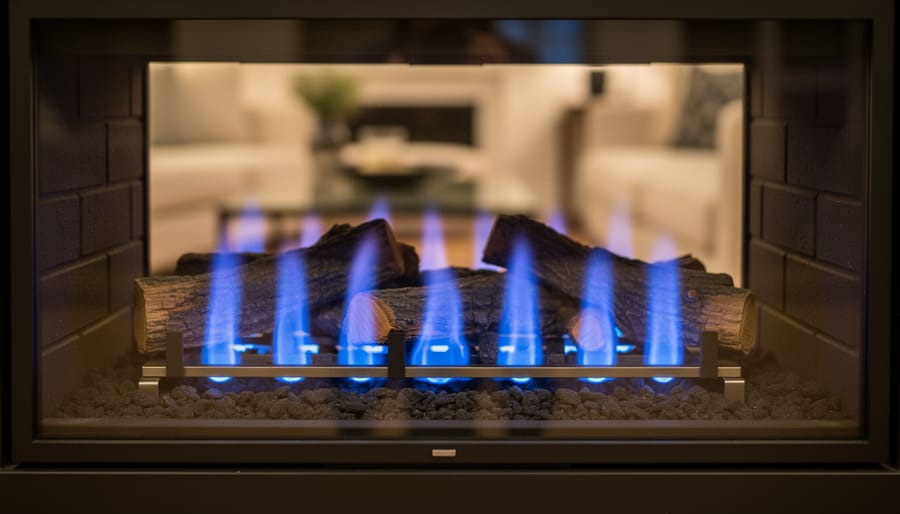
Gas fireplaces offer a cleaner, more convenient alternative to wood-burning units. There’s no ash to clean, no wood to split, and you can start and stop the fire with the flip of a switch or press of a button. However, they still require proper operation and regular checks to stay safe.
Before using your gas fireplace, make sure you’ve read the manufacturer’s manual for your specific model. Gas units vary significantly in their controls and features, so what works for one might differ for another.
- Locate your fireplace’s control panel, typically behind the front glass or accessed through a side panel near the floor.
- If your pilot light isn’t already lit, turn the control knob to “pilot” and hold it down while pressing the igniter button repeatedly until the pilot flame appears. Keep holding the knob for 30 seconds after ignition.
- Once the pilot is stable, turn the control knob to “on” or your desired heat setting.
- Use your wall switch, thermostat, or remote control to ignite the main burner. The flames should appear within a few seconds.
- Adjust the flame height using your thermostat or remote to achieve your preferred warmth level.
- When finished, turn off the main burner using your control method. The pilot light typically stays lit unless you’re leaving for an extended period.
Unlike wood-burning fireplaces, you don’t need to open a damper because gas units are sealed systems with their own venting. Never attempt to burn wood or any other material in a gas fireplace, and don’t place decorative items directly on the burner.
Schedule professional maintenance annually. A technician will inspect the gas lines, clean the burner, check the venting system, and ensure the safety sensors work correctly. Between professional visits, keep the glass clean and vacuum any dust from the burner area when the unit is completely cool.
Verifying Your Fireplace Is Working Properly
Once your fire is burning, spend a few minutes confirming everything’s working as it should. Stand back and watch the smoke, it should rise straight up the chimney without spilling into the room. If you see smoke curling back into your space, that’s a red flag that your damper isn’t fully open or your chimney isn’t drawing properly. You might need to crack a window to provide more air for the draft, or the chimney may need cleaning.
Here’s what proper operation looks like versus warning signs:
- Good sign: Smoke flows steadily up and out through the chimney
- Good sign: Flames burn bright yellow-orange with occasional blue at the base
- Good sign: You can see the fire clearly without excessive smoke obscuring your view
- Warning sign: Smoke backs up into the room or lingers near the fireplace opening
- Warning sign: Flames appear mostly blue or produce heavy black smoke
- Warning sign: You smell smoke in other rooms or upstairs
- Warning sign: The fire struggles to stay lit even with good airflow
Proper lighting in your workspace helps with better fire visibility and monitoring, especially during evening hours. Check back periodically while the fire burns, a well-functioning fireplace maintains steady flames without constant attention.
Before leaving the room or heading to bed, make sure the fire is completely out. The logs should be nothing but gray ash with no red embers visible, even when you stir them gently with a poker. This typically takes several hours after the flames die down. If you see any glowing spots, the fire isn’t safe to leave unattended. Wait until everything is cold to the touch, and only then close the damper to prevent drafts.
Common Fireplace Questions Answered
Let’s tackle the questions that come up most often when you’re getting comfortable with your fireplace. These answers will help you avoid common mistakes and use your fireplace with confidence.
Can I burn charcoal in my indoor fireplace?
No, never use charcoal in an indoor fireplace. Charcoal produces extremely high levels of carbon monoxide, a colorless, odorless gas that can be fatal, and residential chimneys aren’t designed to vent it safely. Even with the damper fully open, dangerous CO levels can build up in your home.
How often should I have my chimney cleaned?
Have your chimney inspected annually and cleaned when creosote buildup reaches 1/8 inch thick, which typically happens after burning one to two cords of wood. If you use your fireplace frequently (more than twice a week during winter), plan on cleaning once a year.
What should I do if smoke starts coming into my room?
First, make sure the damper is fully open. If smoke continues, the fire might be starved for air, crack a nearby window an inch to provide fresh air. If the problem persists, you may have a cold chimney that needs warming or a blockage that requires professional inspection.
Can I close the glass doors while the fire is burning?
You can close mesh screens while burning, but keep glass doors open until the fire is nearly out. Closing glass doors too early restricts airflow and causes incomplete combustion, leading to creosote buildup. Close them only once the fire has burned down to embers for safety.
Remember that your fireplace’s manual might have specific guidance for your model, especially for gas units with different control systems. When in doubt about any fireplace question, a quick call to a certified chimney sweep can save you from making a costly or dangerous mistake. Most professionals are happy to answer basic questions over the phone, and building that relationship means you’ll have an expert to turn to when you need an inspection or repair.
Next Steps: Maintaining Your Fireplace for Years of Safe Use
Now that you know how to operate your fireplace safely, the real work begins: building habits that keep it that way. Start by scheduling your annual professional inspection now, mark it in your calendar for late summer, before heating season starts. This isn’t optional maintenance; it’s how you catch creosote buildup, structural damage, and ventilation problems before they become safety hazards.
Establish a cleaning routine that matches your usage. If you burn fires weekly, remove ash when it builds up to an inch deep, leaving a thin layer for insulation. Keep your maintenance essentials in one spot: fireplace tools, a metal ash bucket, work gloves, and a flashlight for inspections. For wood burners, stock at least half a cord of properly seasoned hardwood before winter arrives, stored in a dry location away from your home’s exterior.
The confidence to enjoy your fireplace comes with practice. Start with smaller fires and shorter burn times until you’re comfortable with the entire process, from lighting to extinguishing. Pay attention to how smoke draws, how quickly your wood catches, and how your specific fireplace behaves. Each unit has quirks you’ll learn over time.
Most importantly, never compromise on the safety warnings you’ve learned here. The charcoal question that might have brought you to this article illustrates a larger point: convenience never justifies bypassing proper fuel and ventilation requirements. Your fireplace will provide years of warmth and ambiance when you respect what it needs to operate safely.
